


Last updated:
Quick answer
Skipping to the best bit: Finding the best hypoallergenic single protein food for a dog with allergies will always land on the conclusion of a meat they've never eaten before. For most dogs in the United Kingdom this is typically goat, rabbit or horse. Beef and chicken are the most commonly reported food allergies for dogs, so if your dog starts to itch it is best to avoid them whilst you work out what's causing the itching. We recommend feeding exclusively one protein (treats included!) for at least eight weeks, and you'll know whether food is the culprit.
This blog is here to offer an insight into how single-protein food works, the first signs of a food allergy, some recommendations for many of our single protein Fresh menus and how to run a food trial with your vet. Let's get your dog feeling comfortable in their skin again!
When Itching Won't Stop, Look in the Bowl
The first suspects are typically fleas and pollen, but for many dogs their trigger is often something they eat everyday. Scratching, paw licking and repeating ear conditions can take a toll on even the liveliest dogs, and their owners too.
Where it gets tricky: most dog foods and treats contain several different meats, and often unspecified "animal derivatives." That can make it increasingly difficult to pin down what it is your dog may be reacting to. Switching to a single-protein diet will bring us back to basics, so you can see what's really going on.
What Is Single-Protein Dog Food?
One meat, nothing hidden
Single-protein dog food contains just one animal protein source e.g. rabbit meat and rabbit offal - with no extra bits slipped in! Everything else within the recipe must come from vegetables, fruit, seeds and plant-based oils.
Most food allergies in dogs are a reaction to a protein, usually one they've eaten many times before. The most common culprits, according to a review of published studies included in our further reading below, are beef, dairy, chicken and wheat. All of which are among the most common ingredients in dog food.
Feeding a single protein diet, ideally of a novel protein (Goat, Rabbit, Horse etc.) that your dog has not eaten before can give their immune system a break from common ingredients. If this settles any symptoms, you've found the safe food. If they come back, you can pinpoint what's changed.
Allergy or intolerance? Food allergies involve the immune system, and typically show up on skin, ears and paws. Intolerances are a digestive issue, such as loose poos or wind. Single protein diets can assist with both, as they cut down the number of ingredients your dog has to cope with whilst maintaining a proper nutritional balance.
Signs Your Dog May Have a Food Allergy
Most signs show up in the skin and the tummy
- Itching all year round - Where seasonal itching points more towards pollen, itching that continues through winter is a common symptom of a food allergy.
- Licking and chewing paws - Reddish-brown staining on light coloured fur caused by constant licking is something to look out for.
- Red, sore skin - This mainly appears around the face, ears, armpits, belly and bottom.
- Repeated ear infections - Ears requiring treatment multiple times within a short period is a common sign of a food allergy.
- Scooting - If your dog is dragging their butt along the floor, this can be a sign of anal gland problems or a sign of itchy skin around the same area.
- Tummy troubles - Loose stools, more frequent toilet trips, passing gas or occasional vomiting can all be signs to look out for.
See your vet first: Many of these symptoms overlap with fleas, mites, environmental/seasonal allergies and skin infections, which will all require different treatment. It is best to visit and speak with your vet to rule these out before you start a food trial. Please note: Allergy, blood and hair tests sold online are not a reliable way to diagnose food allergies in dogs.
How to Choose the Right Protein
A few minutes of label-reading saves weeks of guesswork
- List everything they've eaten - Keep a list of every meal, treat and chew your dog has eaten. When selecting a protein to trial it is best to choose one not on this list.
- Go novel - Goat, Rabbit and Horse are new to most British dogs. Lamb was once a go-to choice (and is still a great protein!) but it's more common in dog food, so it's best to check whether your dog has had it before.
- Read the whole ingredient list - Many foods that appear single protein may contain small amounts of other proteins - this can be for a nutritional balance within a 'complete' food. Look for a single-protein recipe and check the full ingredients list for one named animal source. Many of our fresh menus are a great place to start including Goat, Rabbit or Horse.
- Keep it short and recognisable - Fewer ingredients mean fewer possible triggers to rule out! Real ingredients are much easier to check than additives.
- Think about grains - Some dogs may have a reaction to wheat. If you suspect this, it is best to look for a grain-free recipe.
- Match the treats - When feeding a single-protein diet, the treats have to match! This is the optimal way to ensure you are able to narrow in on the exact ingredient which is causing the issue.
Our Best Single-Protein Options
One animal protein per jar, gently steam-cooked
Many of our fresh menus are built around a single animal protein: meat and offal from the same animal, steam cooked with fresh vegetables and fruit. We pride ourselves on no artificial additives and 12 month shelf life when sealed!
-
Best for Food Trials
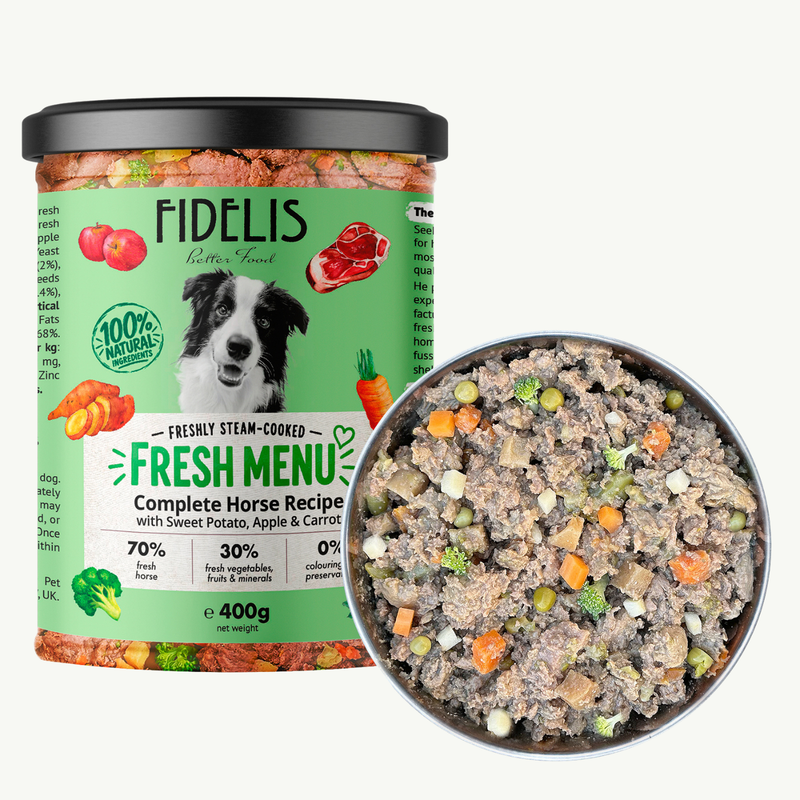
Horse with Sweet Potato, Carrot & Blueberries
One of the least common proteins in dog food in the UK, this means very few dogs have eaten it before - making it an excellent first choice for a food trial. Our Horse Fresh Menu is made with 60% horse meat, 10% horse offal with algae oil for omega-3.
-
Swap for Beef
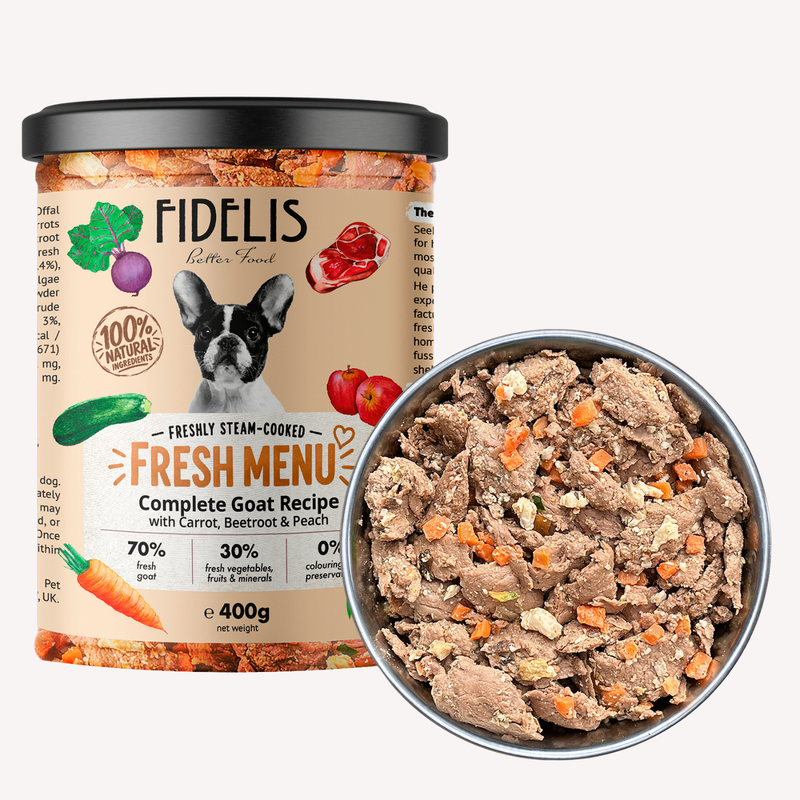
Goat with Carrot, Beetroot & Peach
If your dog is keen for red meat but beef is a suspected trigger? Goat is a great novel red meat protein for many dogs and its rich flavour can make it a perfect fit for fussy eaters too. Steam cooked with 60% goat meat and 10% goat offal. No chicken, no grains and no gluten.
-
Sensitive Tummies
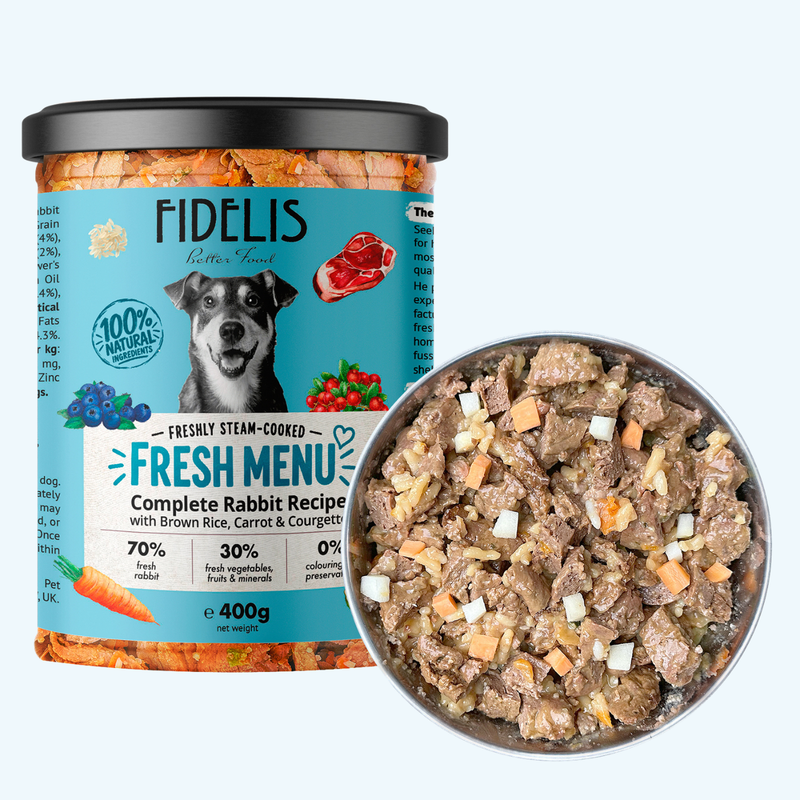
Rabbit with Brown Rice, Carrot & Cranberries
Rabbit is a lean, white meat that's gentle for digestion, suiting dogs whose allergies or intolerances show up as tummy troubles. Our fresh menu is made with 70% rabbit (meat, carcass and liver) and wholegrain rice as an easily digested carbohydrate.
-
If Lamb Is New
Lamb with Sweet Potato, Kale & Apple
A more popular protein but still not eaten by many. If your dog hasn't eaten this protein before, our grain-free recipe is a delicious, gentle choice. Made with 60% lamb meat and 10% lamb offal and no other animal ingredients.
-
Prefer Dry Food?
Air Dried Horse & Lamb Menus
Our hypoallergenic air-dried range is a great complementary food to offer the convenience of kibble with real meat. Remember - this is a complementary food and not a complete and is best used as a topper, or with a topper for a balanced diet.
-
Matching Rewards
Single-Protein Treats & Chews
Ensure your single protein diet stays on track with treats to match! Mini Horse Training Bones for horse, or Mini Rabbit Training Bones for rabbit.
Avoiding wheat or grains? Our Rabbit Fresh Menu contains wholegrain rice and wheat germ oil. If you are suspecting your dog reacts to wheat or grains, it is best to start with the grain-free menus with Horse or Goat fresh menus instead.
How to Run a Food Trial
Also known as an elimination diet, and the only reliable way to diagnose a food allergy
- Step 1: Speak to your vet - They can assist in ruling out other causes of itching and can offer support and guidance throughout a food trial.
- Step 2: Choose a novel protein - Pick a protein that your dog has never eaten e.g. Horse or Goat
- Step 3: Switch gradually - Mix increasing amounts of the new food into their existing food over a period of 5-7 days to avoid any upsets stomachs.
- Step 4: Feed nothing else for at least 8 weeks - It is likely that a dog with a food allergy will show signs of improvement within 8 weeks of a strict diet. That means no other treats, chews or flavoured medicines - avoid table scraps especially!
- Step 5: Keep a diary - Note itching, paw licking, any ear irritating and stools once a week so you can see any changes however small. Photos can help for comparisons week by week.
- Step 6: Stick with what works - Once you know your dog's safe protein, build their diet around it, keeping to meals and treats of that variety.
Be patient: Stomach issues can settle within a shorter period, but skin may take much longer to heal or improve. It's normal to only see small changes in the first month, so stick to it and try not to give up too early!
Common Food Trial Mistakes
Easy to make, easy to avoid
-
Sneaky Extra Treats
Biscuits from the neighbour, crusts from the kids or a dental chew of the wrong protein can undo weeks of progress. Make sure everyone who feeds your dog is educated on the rules of the trial, and keep matching single-protein treats nearby.
-
Choosing a Protein They've Already Had
if your dog has eaten lamb food or treats before, a lamb diet may not tell you much. It's best to make a comprehensive list and go for something they have absolutely never had before.
-
Missing Hidden Ingredients
Flavoured medicines, chewable supplements or even toothpaste can contain chicken or beef. Ask your vet or pick up some unflavoured alternatives to use during the trial.
-
Stopping Too Soon
Skin cells can take weeks to renew, so a few weeks without much improvement doesn't necessarily mean the trial has failed. It is best to be consistent for 8 weeks before making any decisions.
-
Switching Food Overnight
Sudden swaps to a dogs diet can upset their stomach, which can make it harder to judge. Swap gradually over a period of five to seven days.
Your Questions Answered
What dog owners ask us most about allergies
-
What is the best protein for dogs with allergies?
There is no one answer, the best protein for your dog will be the one your dog has never eaten. For most dogs within the United Kingdom this is mainly goat, horse or rabbit. Chicken and beef are the most common triggers of food allergies in dogs, so avoid them during a trial diet.
-
Is single-protein dog food the same as hypoallergenic dog food?
Not necessarily. Hypoallergenic is not a regulated term for dog food. Single-protein foods are one way to lower the risk of a reaction as it limits the number of possible ingredients that may trigger it. Remember to always check the full ingredient list!
-
How long does it take for single-protein food to help?
Digestive symptoms can improve within 2-3 weeks. Skin needs longer to repair, so allow for up to 8 weeks of strict feeding before judging the results.
-
Is lamb good for dogs with allergies?
Only if your dog hasn't eaten lamb before! But more recently, especially in the UK, it is becoming increasingly popular so more dogs have been exposed to it. Horse or goat are more reliable as a totally new protein.
-
Can I give treats during a food trial?
Absolutely! Be sure to make sure they match the same single-protein as their main food. Here at Fidelis we offer many of our training bones in matching single proteins to our fresh menus.
-
Is fresh food better than kibble for allergic dogs?
The protein matters more than the format. Fresh, gently cooked food does provide an easier visual to see what exactly is in the bowl, and most dogs find it more appetising which helps during a long trial.
Fidelis Favourites for Sensitive Dogs
Getting your dog's food right is one of the easiest ways to help support healthy skin and a happy tummy, here at Fidelis we have plenty of single-protein fresh menu options and matching training rewards to ensure your pup can get their fill. Our fresh menus are gently cooked with human-grade meat and plenty of fruit and vegetables to create a delicious complete and balanced food, so you can feed them every meal!
Here's to Happier, Itch-Free Days
Finding the best food for your dog can take a little patience, but the difference in your dog's comfort and livelihood is absolutely worth it. Start with a single protein and stick with it, and let us know how you get on at hello@fidelisdog.co.uk
Shop Hypoallergenic Fresh Menus
