


Last updated: 12
Quick answer
Skipping to the best bit: the most popular dog breeds for first time owners are the ones that fit your existing lifestyle. If you're an active household or family who love to be outfit, Labradors and Golden Retrievers are a great option. Or if you're looking for a slower pace of life adopting a retired Greyhound or a Whippet can be a great choice for a dog that's more calm and easy to cuddle up with. Poodles can be a great choice if you're worried about shedding. To keep yourself right, most new dog owners do best with a furry friend that's eager to please, has moderate lifestyle needs and is friendly by nature.
In this weeks blog we've matched dog breeds to various lifestyles, looking at both puppies and adult dogs whilst sharing some of the most common mistakes new dog owners make, so you know how to avoid them!
Start With You, Not the Breed
It is very common to fall in love with a breed because of their looks, but the happiest first time experiences come from dogs matching their owner's daily lifestyle. A dog breed that would be perfect for a serial hiker could be a nightmare for someone who works longer hours at home in their flat.
So whilst you're scrolling through puppy photos on Instagram or perusing rescues, it's worth considering how you spend your time, the size of your home, and also your budget.
Questions to Ask Before Choosing a Breed
Be honest, your future dog will thank you
- How much time do I really have? - This especially applies to walks, training and playtime, but also company time. Typically, most dogs should not be left alone for more than approximately four hours.
- How active am I? - Do you love to walk? Or are you a homebody? More active dog breeds can need two hours or more of activity and walking per day, whilst others are happy with a few short strolls.
- What's my home like? - It's best to consider space, both inside and garden, stairs or obstacles and if you're renting, whether your landlord allows dogs.
- Who lives with me? - If you have young children or other pets this can influence a dog as they settle in at their new home.
- Can I cope with hair? - Dogs who shed more routinely may require additional time spent hoovering at home! while low-shedding coats tend to require a touch of professional grooming in their routine. Hypoallergenic dogs may also be something you wish to consider - although this typically means low-shedding and no dog is truly 100% hypoallergenic
- What can I afford? - Unexpected costs can add up: food, insurance, vet bills, grooming and doggy care if you work a lot can easily feed into your budget over a dog's life.
The Best Breeds for Your Lifestyle
Beginner-friendly picks for every type of home
-
Active Families
Labrador Retriever
They are patient, keen to please and always friendly. Labradors can sometimes forgive a few more beginner mistakes with their smartness. However, they do require a lot of exercise and are typically very food driven, so be sure to keep an eye on portion sizes and go easy on the treats!
-
Gentle and Patient
Golden Retriever
Golden Retrievers are kind, calm and typically good with kids, hence why they're a particular favourite for families looking for their first dog. They do shed a fair amount, so expect to brush them more often and keep the hoover handy. Retrievers will need plenty of daily walks and love to play fetch.
-
Calm Homes
Retired Greyhound
Gentle giants, known for their laziness - despite their running speed! Can be referred to as 40mph couch potatoes, they are quiet and happy with shorter walks throughout the day. It is more common for adults to be rehomed, so you'll meet their temperament and nature when you meet them.
-
Flats and Smaller Homes
Whippet
Whippets are a great middle ground for activity levels, they love a short burst of high energy, often a good run somewhere safe, and then to spend the rest of the day cuddling up on the sofa and sleeping. They're not known for barking often but they can definitely be vocal if they want their own way.
-
Allergy-Conscious
Poodle
Poodles are a smart breed, learn quickly and don't shed very regularly. They come in three different sizes: toy, miniature and standard so there's room for one in most homes. They do require more professional grooming so additional costs can add up, be sure to budget for routine trims and plenty of enrichment so that they don't get bored.
-
People-Lovers
Staffordshire Bull Terrier
Staffies are a very popular dog breed in the UK, particularly known for loving their families, especially when they get a chance to cuddle. Socialising them early is key, as some can be less compatible with other dogs when out and about. Early training is a must to ensure they don't learn any bad habits such as pulling when on lead.
Every dog is an individual: Dog breeds can give you an idea of what to expect as a generalisation, but their personality, upbringing and level of training will also play a big part in their temperament and nature. It is best to meet the dog, and their parents if you can, to find the match right for you.
Puppy, Adult or Rescue?
Age matters as much as breed
-
Most Work
Puppy
A true blank slate, training starts from ground zero and you'll need to focus highly on toilet training and plenty of supervision as they go through teething and the inevitable teenager phase. The first year can be hard work but the bond built in the process is unbreakable.
-
Often Easiest
Adult Dog
A more predictable option as you will have a better idea of their size, energy and personality already, with many being house-trained after a small adjustment to their new home. A calm adult dog can be a great place to start for first time dog owners.
-
Extra Support
Rescue Dog
A truly rewarding way to give a great dog a loving, gentle home. Rescue centres will match dogs carefully to new owners and will continue to offer advice throughout the process as they settle as many rescue dogs will require extra time and care to settle at home.
Common First-Time Owner Mistakes
Easy to make, easy to avoid
-
Choosing on Looks Alone
Working breeds such as Huskies or Border Collies are gorgeous, but with high energy levels and requiring a lot of stimulation and activity they can be overwhelming to unexpected new dog owners.
-
Skipping Socialisation
The first few months of a puppies life are vital in ensuring they learn about the world around them. It is important to gently introduce them to new people, places, sounds and dogs (once approved by the vet) to help them grow into confident adult dogs.
-
Inconsistent Rules
Consistency is truly key when it comes to training any dog, if one person allows them on the sofa but another doesn't this will lead to confusion. It is wise to ensure all house rules are agreed on prior to arrival, and communicated to anyone looking after them on your behalf for short periods.
-
Too Many Treats
Who can say no to those puppy dog eyes? It can be tempting to reward everything, but when treats are not included in their daily food intake this can quickly add up to unwanted weight gain. Use small, naturally made rewards and count them within your dogs daily food for a proper balance. Our mini training bones can be a great option for puppies.
-
Leaving Them Alone Too Soon
Learning that being alone is okay, is part of a dogs learning process. Time alone has to be built up very slowly, even starting as small as just a few minutes, to help prevent separation anxiety long term.
Buying a puppy? It's best to meet a puppy in person with their mum, and be sure to ask for health tests in advance through the process. Do not feel pressured into paying a deposit for a puppy before you have visited, if something isn't feeling right, walk away.
Your First Week Checklist
Set yourselves up for success
- Microchip and ID tag - The law states dogs in the UK must be microchipped by 8 weeks old, with your details always kept up to date, and wearing a collar tag with your name and address in public. It can be great to include your phone number on this too!
- Register with a vet - This is the time to book your first health check and ask about upcoming vaccinations and flea or worm treatments.
- Sort pet insurance - Getting cover early means you are prepared, with fewer exclusions for conditions that may appear later.
- Create a safe space - A comfortable bed or cosy crate in a quiet corner will provide them a space of their own to rest and destress.
- Keep food consistent - Stick with the food they are already eating for the first couple days, then switch gradually over the next 5-7 to allow their digestion to adjust. Our fresh menus can be a great option for a puppies nutrition.
- Book training classes - Positive, reward-based classes can help both you and your pup build good habits, help you bond and provide security as you learn what works best for you both.
Go slow: It is very normal for the first few days to feel overwhelming. We recommend keeping visitors to an absolute minimum, sticking to a simpler routine and letting them explore at their own pace to allow them to become accustomed to their new surroundings.
Fidelis Favourites for New Owners
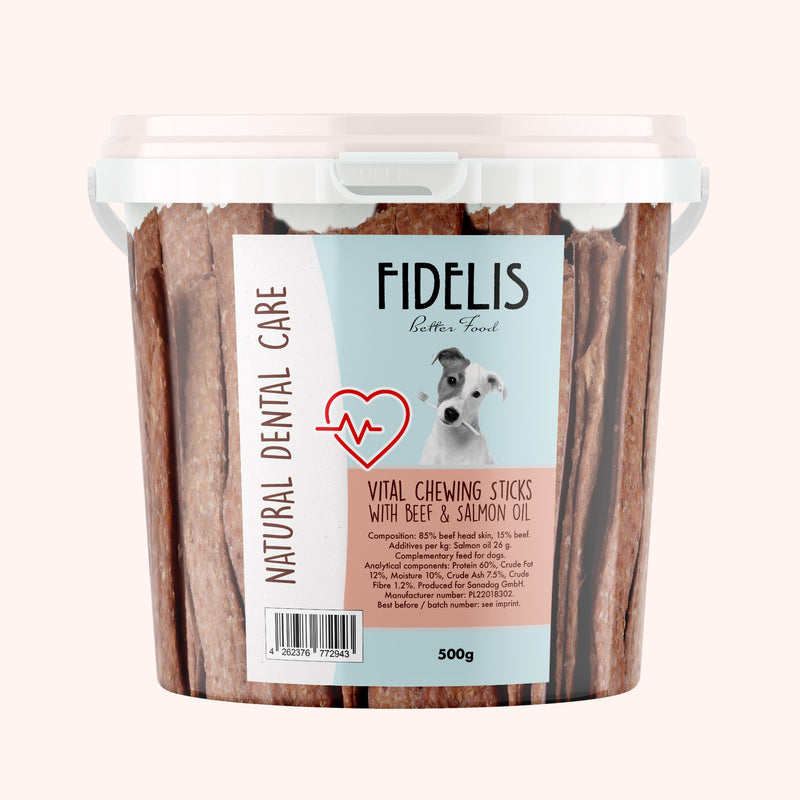
From fresh complete food to small tasty treats for training, getting your new puppies food right from the first day is the easiest way to support positive health and growth. Our fresh menus are gently cooked, with human grade meat and are a complete and balanced food, available in a variety of flavours, for any dogs diet, and our bite-sized training treats and rewards are perfect for those first training sessions!


Here's to Your New Best Friend
Whichever breed you welcome to your family, we'd love to meet them! Share your furry family member on Instagram and tag us @fidelisdoguk for a chance to be featured.
Shop Fresh Menus
