


Last updated:
Quick answer
Many of the most popular dog breeds in the UK are of a small size, including Dachshunds, Jack Russell Terriers, Miniature Schnauzers and more! A smaller dog can be the perfect fit for your family if you live in a smaller home, enjoy city life or a slightly less active lifestyle. But remember, they will always need daily walks, enrichment and plenty of love from you.
At Fidelis, we've rounded up a list of some of our favourite and most popular small dog breeds, sharing more about what they're like at home, some health issues you may want to keep in mind and how to keep a small dog happy and healthy at home, this blog is perfect for seasoned owners and total dog newbies a-like!
Big Personalities in Small Packages
For many years small dogs of all breeds have been one of the UK's most-loved furry companions. They're easy to travel with, are always eager to curl up with you on the sofa and still have plenty of personality to go around!
However, small doesn't mean easy! Every breed of dog is different and has it's own unique energy levels, grooming habits and notable health quirks, this is why we're here, to help you do the homework if you're thinking of adding a small furry friend to your family.
Popular Small Dog Breeds in the UK
Our pick of the nation's favourite little dogs
-
Bold and Loyal
Dachshund
Dachshunds come in two sizes; standard and miniature, with three main coat types to look out for. Their longer backs mean the require some extra care and attention around stairs and furniture. Watching their weight is important as their backs can be prone to injury if carrying additional weight.
-
Gentle Companion
Cavalier King Charles Spaniel
A British family favourite, and lover of both a good walk and a warm cuddle. King Charles Spaniels do best when they are surrounded by their families and do best when they're rarely left home alone.
-
Easy-Going Terrier
Border Terrier
Border Terriers are always up for an adventure! They are one of the more laid back terrier breeds and their wiry coat is more low maintenance. However, they do love a good digging session!
-
Energetic
Jack Russell Terrier
Smart, high-energy and keen to play at all times, Jack Russell are ideal for owners who keep active, enjoy long walks and playing games. One thing to keep in mind: they have a high prey drive, so be sure to do plenty of recall training and always keep at it.
-
Smart and Alert
Miniature Schnauzer
Most known for their beards and eyebrows, they're very intelligent and pick up new skills quickly. It is good to note that miniature schnauzers do need regular grooming despite not shedding very much.
-
Lap Dog
Italian Greyhound
A small, slender sighthound with a motivation for snuggling up with their owners under a warm blanket. Italian Greyhound's can grow very attached to their owners, and will always be very affectionate and playful, out with their quick sprint burst of energy they love to sleep and curl up somewhere warm.
-
Fun-Loving
French Bulldog
Frenchies have become one of the UK's most popular dog breeds in recent years, as they are playful, full of personality and lovingly affectionate. As they are a flat-faced breed, some can struggle with breathing and many with heat, so ensuring proper health checks will be key to giving them the best life you can.
-
Fluffy Friend
Bichon Frise
Bichon Frise have very soft, curly hair that sheds very little. They are cheerful love to cuddle and are great with people of all ages. To keep their famous fluff looking its best, regular grooming is recommend
-
Tiny but Mighty
Yorkshire Terrier
Yorkshire Terriers are confident, nosy and full of that classic terrier spirit. But don't let the size fool you! They can be vocal, so starting training early can be a great help.
Thinking about a crossbreed? Many mixed breeds are very popular dog breed choices in the UK, such as the Cockapoo or the Cavapoo. Their size, coat, temperament and personality can very greatly depending on their parents, so it's good to ask to meet both where you can.
How to Choose the Right Small Breed
Finding the perfect match for your lifestyle
- Energy levels - Terrier breeds like the Jack Russell will need plenty of exercise and enrichment, where breeds such as Italian Greyhounds are happier with shorter strolls, and typically have only one burst of energy daily.
- Grooming - Low-shedding breeds, Bichon Frise and Miniature Schnauzer will still need regular brushing and professional grooming within their routine.
- Family life - Smaller dogs can definitely be more on the delicate side, so small or young children should always be supervised and taught to be around and play with them gently.
- Time at home - Lots of smaller dog breeds are companion dogs, and don't cope well when left alone for longer periods. If you and your family work long hours outside of home they may not be the right fit for you.
- Health - We always recommend researching the most common health problems in your favoured breed, and as you move through the process ask the breeder or rescue centre for health test results.
Have you considered rescue? There are lots of rehoming charities across the UK or rescue centres that can help match you with the right dog. There are plenty of amazing smaller dogs of all ages that deserve to come home with a loving family, to a happy and healthy home.
Health Issues in Small Dog Breeds
What to keep an eye on
-
Breathing Problems
Prominent in flat-faced breeds like French Bulldogs, Pugs and Shih Tzus and made worse in hot weather or when exercising. Symptoms and signs can include noisy breathing, snoring and tiring quickly.
-
Back Problems
Most common in long-backed breeds like our loving Dachshunds, they can be prone to disc problems in their spines. It is important to keep them a healthy weight and making use of ramps to help them navigate furniture to protect their backs.
-
Heart Conditions
King Charles Spaniels are most notably prone to mitral valve disease, which is a heart condition that often develops as they get older. It is important to keep regular vet check-ups to help catch it early.
-
Dental Disease
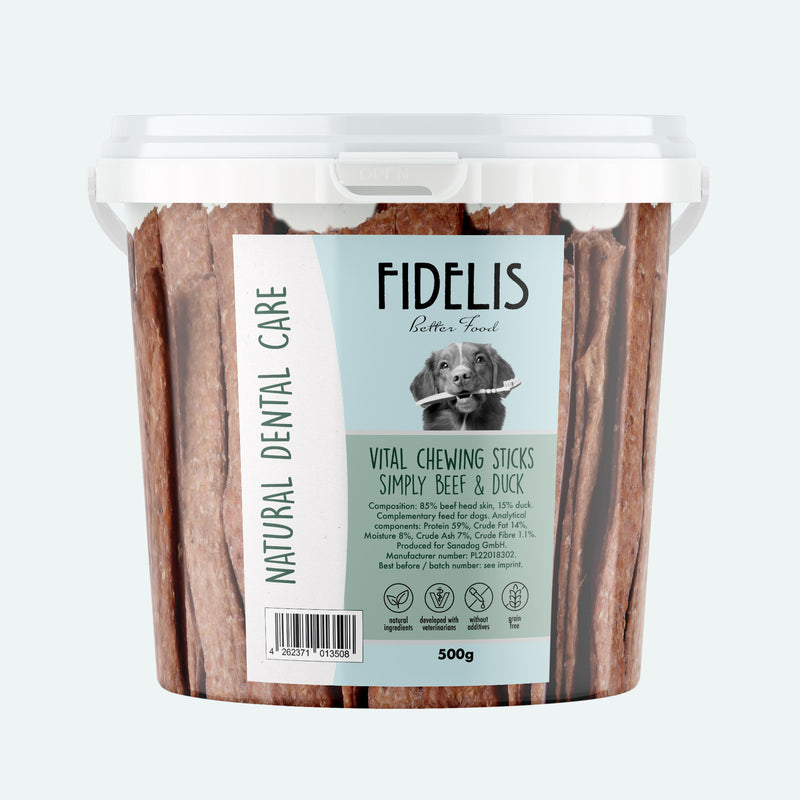
Smaller mouths can sometimes mean crowded teeth, this can cause plaque and tartar to build up more easily and more frequently. Regular brushing and dental check-ups are very important for smaller breeds. Dental chews can be a great addition to their daily routine to help reduce tartar formation through increased salivation and abrasion.
-
Kneecap Problems
Italian Greyhounds we're looking at you! Slipped kneecaps can be common in many smaller or toy breeds, known as luxating patella, or even as severe as a broken leg. It is recommended to keep a close eye on them when jumping off or around furniture, keeping it to a low height where possible. If you notice your dog skipping, or holding their back leg up while they walk, it's best to see the vet.
If you notice anything unusual: If your dog has any trouble breathing, looks to be experiencing pain, is reluctant to move or starts limping, it is best to contact your vet. Getting a problem looked at early will make it much easier to manage and keep on top of.
Feeding a Small Dog
Little dogs, big appetites
It is common for many breeds of small dogs to use energy more quickly for their size than larger dogs, but with smaller tummies every mouthful counts! With their size, it can also be very easy to overfeed a small dog, even a few extra treats here and there can quickly lead to unwanted weight gain.
- Portion control - Follow a feeding guide for dog's activity level and weight, be sure to consider their body condition or any additional allergies or conditions. Check out for Feeding Guide for more detailed information.
- Quality ingredients - Choose a complete food, made with plenty of real, human grade meat and whole ingredients to ensure every bite is packed with nutrients. Our fresh menus can be a great place to start, explore over 10 flavours here today.
- Count the treats - Treats should always be included in a dogs daily food intake and should make up no more than 10% of their daily allowance, so pick small, natural rewards.
- Keep weight in check - Additional weight can put unwanted strain on small joints and backs, especially for breeds like Dachshunds, it is wise to add regular weigh-ins to your routine as you monitor this.
Fidelis Favourites for Small Dogs
Our Fidelis Fresh Menus are made with 70% human grade meat, whole vegetables chopped to nice bite sized chunks and fruits for added nutrition, they are perfect for small dogs who still deserve big flavours! They can be paired with many of our smaller sized training treats and rewards to not overload small tummies.


Small Dog, Big Love
No matter what breed has your heart, we want to meet them! Share your furry friends on Instagram and tag us @fidelis.dog for a chance to be featured with us
Explore our Fresh Menus