


Last updated: 23
Quick answer
Typically, dogs tilt their heads to hear us better and see faces more clearly. The small head tilt helps a dog work out where sounds are coming from whilst moving their nose out of the way to read facial expressions better. It can also be a learned behaviour as they slowly realise it gets them a big "aww" and sometimes even a treat!
Head tilts while you're talking is definitely normal. Although if your dog's head stays tilted for prolonged periods or they look off-balance, it may be worth a trip to the vet.
The Cutest Question Mark in the Room
We've all seen it before, usually prompted by the usual suspect phrases "walkies", "dinner" or "who's a good boy/girl?" and it appears, a small head tilt. Instantly recognise-able as a well loved little habit that melts a dog owner's heart, but what does it actually mean and why do they do it?
Now, here at Fidelis we are no scientists but we do know a few explanations, most dogs will be doing it multiple reasons too.
Why Do Dogs Tilt Their Heads?
The three most likely explanations
-
Hearing
Pinpointing a Sound
Renowned for their great hearing, dogs have a keener sense than us humans, but they sometimes struggle with some of the fine-tuning and working out where exactly a sound is coming from. Tilting their head can change the position of their helps which can help them compare how the sound reaches each ear. Humans fall into a similar habit when we can't quite catch what someone has said!
-
Seeing
Getting a Better View
Dogs gain a lot of information from our facial expressions, specifically from our mouths and eyes. For many dog breeds their own nose may partly block the view of our lower face, a quick head tilt will move their nose out of the way just enough so that they can see our full expression and gain an understanding of what we're feeling.
-
Understanding
Listening for Words They Know
Have you noticed a head tilt appears more often from a word your dog recognises? Eötvös Loránd University in Hungary concluded that if a dog has learned the names of their toys, they tilted their head more often - specifically when they heard those names. This can suggest that head tilts may have links to concentration or matching a word they are hearing to something they remember or recognise.
Is Head Tilting a Learned Habit?
Clever dogs know a winning move
In some ways, yes. Dogs can be considered experts in understanding what gets their owners attention. When a tilt of the head is met with smiles, attention or even a treat, they'll form this into a habit
- Positive attention - Reacting with pets or vocal displays of affection can contribute to your dog understanding that head tilts mean they get some extra love.
- Treats and rewards - Tilting their head can sometimes be taught as a trick by owners through rewards and a little repetition, where it can quickly become a crowd favourite.
- Your voice - It is most common for dogs to tilt their heads more at higher pitched or excited sounds, so the way you speak to them may influence their reaction.
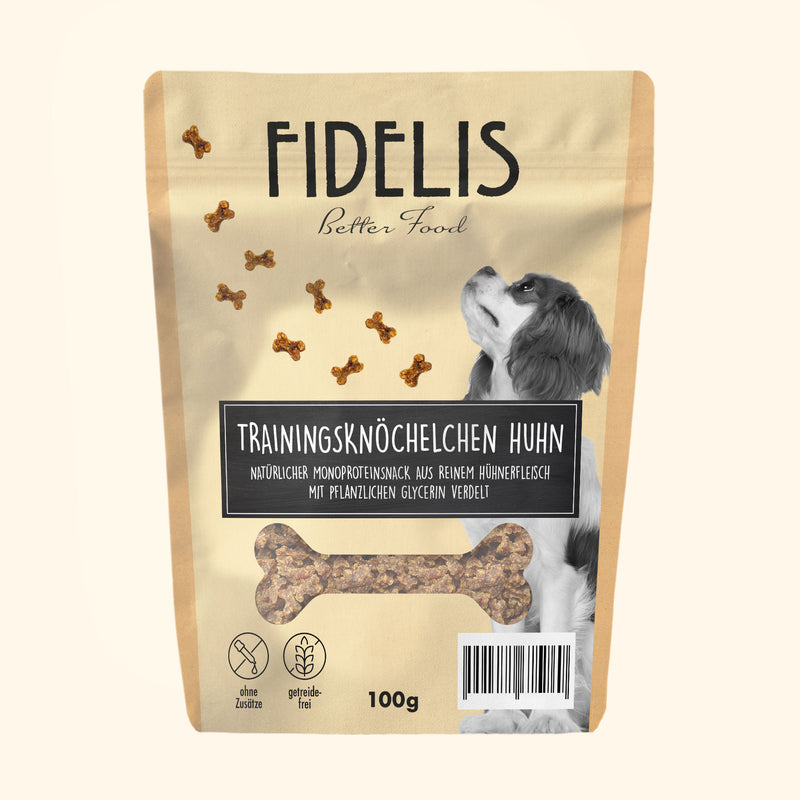
Fun to try at home: Try it yourself! Say a few words your dog knows: their name or their favourite toy or activity, then say a made-up or 'boring' word in the same tone, which one, or both, got a head tilt? It's always nice to reward their focus with a small treat, like our delicious mini training bones, you could even make it into a fun little training activity.
Which Dogs Tilt Their Heads the Most?
Does muzzle shape play a part?
Understanding that their nose/muzzle can sometimes block part of our faces, can allow us to think that dog breeds with longer muzzles: Labradors, Border Collies etc. may be more prone to tilting their head than flatter faced breeds like French Bulldogs or Pugs.
Although we have to remember, every dog is unique! There will be plenty of shorter muzzled dogs that tilt their heads often and happily, and some long-nosed dogs who hardly tilt their head at all. If your dog doesn't do it, it's no reason to worry, all dogs have their own way of paying attention.
When a Head Tilt Could Mean a Health Problem
Knowing the difference between cute and concerning
Head tilting is typically a quick or short action and is perfectly normal. Although, a head tilt that appears out of nowhere or doesn't go away can be a different story, or a sign that something isn't right.
-
Ear Infections
An infection within the middle or inner ear can be cause of lasting head tilt. You should look out for symptoms such as head shaking, scratching or rubbing at the ears, redness or swelling.
-
Vestibular Disease
The vestibular system controls a dogs balance, and when it is affected a dog can more unexpectedly develop a head tilt, lose their balance or have flickering eye movements. This is more common in older dogs, and while it can look frightening and worrying, many dogs recover well with the right care.
-
Something Stuck in the Ear
A common culprit being grass seeds, often after longer walks through tall grass across the summer season. If your dog is shaking their head after a walk, this can lead to prolonged tilting of the head which may have grass seed to blame.
-
Other Signs to Watch For
When showing any of the following symptoms alongside a head tilt, it may be best to see prompt attention from your vet: vomiting, stumbling, falling over, standing with their legs wide apart.
When to call the vet: If a head tilt stays for a longer than normal period or comes on very suddenly alongside any loss of balance, vomiting or discomfort contact your vet straight away. Getting them checked early can make treatment for any issues much easier.
Treats Worth Tilting For
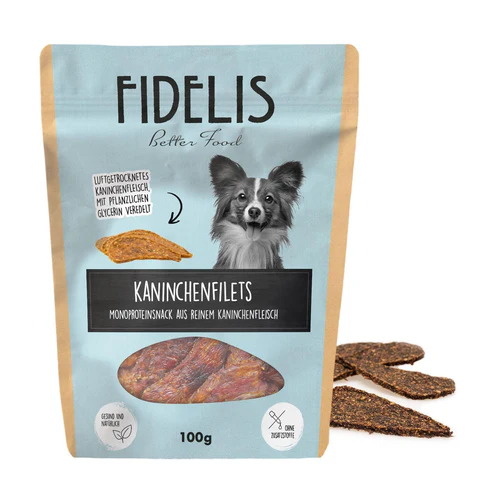
No matter the reason, if it's a small treat for a good listener or using them to teach a brand new trick, a delicious tasty reward goes a long way. We've selected some of our favourites of our natural treats which are perfect for keeping curious ears perked up!

Got a Champion Head Tilter?
We'd love to see them! Share your dog's most impressive head tilt on Instagram and tag us at @fidelis.dog and tell us their favourite fresh menu flavour!
Explore our Fresh Menus